Advisory reiterates 48-hour ban on election-related broadcasts to ensure free and fair polling
Guwahati, April 8: Authorities have issued an advisory to electronic media organisations, directing them to strictly adhere to the silence period provisions under the Representation of the People Act, 1951. The directive reinforces compliance with Section 126, which prohibits election-related content during the 48 hours leading up to the close of polling.
The communication, addressed to Editors-in-Chief of electronic media platforms, emphasises that no content capable of influencing voters should be broadcast during this restricted period.
What Section 126 of the RPA Says
Section 126 of the Representation of the People Act mandates a “silence period” before polling concludes. During this time, public meetings, processions, and any form of campaigning are prohibited.
The law also restricts the dissemination of election-related material through television, films, or other electronic means. The aim is to provide voters with a neutral environment to make decisions without last-minute influence.
Restrictions on Broadcast and Public Events
The advisory specifies that media outlets must refrain from airing news, panel discussions, analysis, or advertisements related to elections during the silence period. It also extends to indirect forms of campaigning.
Authorities clarified that even entertainment programmes—such as concerts, theatrical performances, or public shows—cannot be used to promote political messages or influence voters in polling areas during this time.
Penalties for Violations
Officials warned that violations of Section 126 can attract legal action, including imprisonment for up to two years, a fine, or both.
The term “election matter” has been broadly defined under the law to include any content intended to influence or affect the outcome of an election.
Context and Electoral Significance
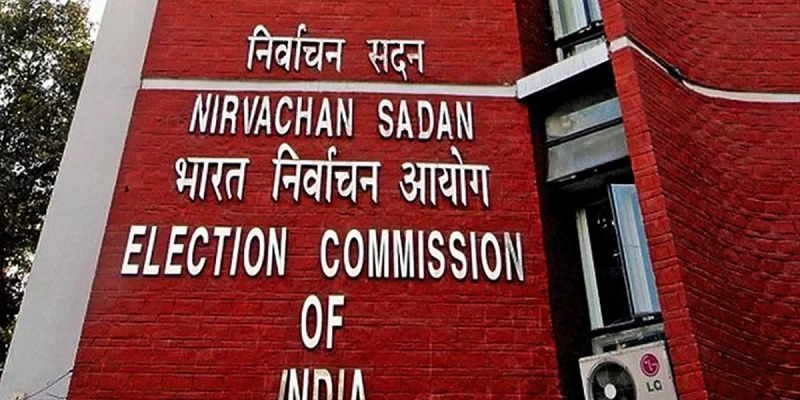
Silence period regulations are a standard feature of India’s electoral process and are enforced by the Election Commission to maintain fairness. These rules are particularly important in closely contested elections, where last-minute campaigning could sway voter behaviour.
Advisories such as this are often reissued ahead of polling phases to remind media organisations and political stakeholders of their legal responsibilities.
Public Impact
For voters, the silence period is intended to create a calm environment free from campaign pressure, allowing them to reflect on their choices. For media organisations, it underscores the need for editorial caution and compliance with electoral laws.
Ensuring adherence to these norms is considered essential for maintaining the credibility and integrity of the democratic process.
Conclusion
Authorities have reiterated that strict compliance with silence period norms is mandatory and warned that any violations will be acted upon based on complaints received. The directive aims to reinforce existing legal provisions and ensure that elections are conducted in a free, fair, and transparent manner. (With inputs from H.S.)
Inputs & Images courtesy: Hindusthan Samachar (H.S.)
Edited by: Dikshita Bollu
About the Author