Experts warn that poor dietary habits, lack of awareness and unequal access to nutritious food are creating a growing public health crisis across both rural and urban India.
Nagpur, 12 May (H.S.): While malnutrition-related deaths in tribal regions such as Melghat in Maharashtra’s Amravati district have repeatedly drawn national attention over the years, health experts say the broader issue of nutritional imbalance continues to affect both rural and urban populations in different forms.
Remote districts including Gadchiroli, Nandurbar and Dhule continue to face serious challenges related to undernourishment, especially during the monsoon season when several villages remain cut off due to poor connectivity. In such situations, villagers are often forced to survive on limited locally available food supplies, while healthcare services struggle to reach these isolated areas.
Although expanding road infrastructure has somewhat reduced the severity of the crisis in recent years, experts believe the underlying nutritional issues still persist in many tribal and rural regions.
At the same time, urban India is witnessing a contrasting but equally concerning trend — rising obesity among children and youth. Health experts describe obesity as another form of malnutrition caused by excessive consumption of calorie-rich but nutritionally poor food.
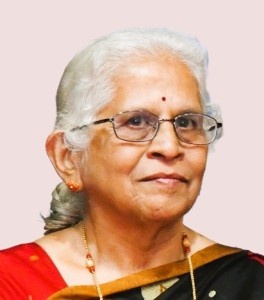
According to Dr. Pratima Shastri, retired professor of Food Technology at Nagpur’s Laxminarayan Institute of Technology and a social worker, India is currently facing two parallel nutritional crises: undernourishment in rural areas and overnourishment in urban centres.
“In rural regions, nutritious food is often unavailable. In cities, nutritious food is available but increasingly neglected because of changing lifestyles and unhealthy food choices,” she explained.
Dr. Shastri noted that the growing dependence on ultra-processed and ready-to-eat food products in urban areas has significantly contributed to obesity and related health disorders. These foods are usually high in calories, fats and sugars but lack essential micronutrients required for healthy growth and development.
She added that despite being expensive, processed food has become a preferred option for many urban households due to convenience and changing work patterns.
To address the issue, Dr. Shastri’s social welfare organisation works on preparing affordable “Ready Mix” nutritious food products such as Sattu, Ukadpendi and Poha mixes. These items can be quickly prepared using hot water or minimal oil while still providing balanced nutrition.
She stressed that the focus of commercially marketed ready-to-eat products often remains on taste and shelf life rather than nutritional value, resulting in long-term health consequences.
Experts warn that unhealthy dietary habits and stressful lifestyles are increasingly exposing young people to problems such as obesity, hypertension, diabetes, digestive disorders and even mental health issues at an early age.
Health specialists believe that along with improving awareness in tribal and rural regions, there is an equally urgent need to educate urban populations — especially youth — about balanced diets, healthy eating habits and the importance of nutritional discipline.
(With inputs from H.S.)
About the Author