US signals optimism after indirect talks as tensions in the Gulf continue to simmer
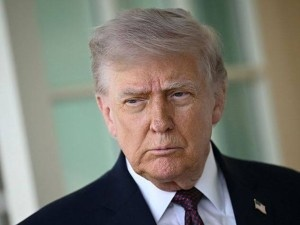
Washington, 07 May (H.S.): US President Donald Trump has stated that a potential agreement with Iran is “very possible” following a fresh round of indirect negotiations mediated by Pakistan, even as Washington continues to maintain military and economic pressure on Tehran.
Speaking to reporters at the Oval Office on Wednesday, Trump said Washington and Tehran had engaged in “very good talks over the last 24 hours,” suggesting that both sides are exploring a framework to end hostilities in the Persian Gulf.
The US President, however, warned that any agreement would depend on Iran complying with previously discussed terms. He cautioned that if negotiations fail, American airstrikes could resume “at a much higher level and intensity.”
Trump’s latest remarks reflect a calibrated approach aimed at balancing diplomatic engagement with continued strategic pressure. He has repeatedly accused Iran of engaging in “nuclear blackmail” and insisted on strict US-led verification mechanisms as part of any future arrangement.
Despite the optimistic tone surrounding the talks, the US naval blockade of Iranian ports remains active. American warships continue enforcing restrictions on Iranian oil exports while Washington pushes European allies to strengthen sanctions enforcement.
The Pentagon confirmed that US naval aircraft recently disabled the rudder of an Iranian-linked oil tanker allegedly attempting to bypass the blockade, underscoring Washington’s readiness to maintain military leverage during negotiations.
Trump has also temporarily paused “Project Freedom,” a military initiative aimed at reopening the Strait of Hormuz. However, he stressed that unrestricted maritime movement through the strategic waterway would depend on Iran ending actions that threaten regional trade routes and accepting a US-backed maritime security framework.
Iranian officials have responded cautiously to the developments. Foreign Ministry spokesperson Esmaeil Baqaei stated that Tehran is still reviewing the latest American proposal and will communicate its response through Pakistani mediators.
Iranian Parliament Speaker Mohammad Bagher Ghalibaf accused Washington of attempting to force Tehran into “surrender” through economic pressure and media influence campaigns. He alleged that the United States is using sanctions and the blockade as tools to divide Iranian society.
Pakistan has emerged as a key diplomatic intermediary in the crisis. Prime Minister Shehbaz Sharif expressed cautious optimism about the ongoing negotiations, saying the current momentum could pave the way for “lasting peace and stability” in the region.
Pakistani diplomats have reportedly been coordinating between Washington, Tehran, Gulf nations, China, and the United Nations in an effort to prevent a broader regional conflict.
The negotiations have also drawn global attention, particularly from China. Iranian Foreign Minister Abbas Araghchi recently met Chinese Foreign Minister Wang Yi in Beijing to discuss the evolving situation and possible regional security arrangements.
China reiterated its call for the immediate reopening of the Strait of Hormuz and an end to hostilities, reflecting Beijing’s concerns over energy security and stable Gulf oil supplies.
Global financial markets responded positively to signs of possible de-escalation. International crude oil prices fell below the $100 per barrel mark, while global equity markets rebounded amid hopes that tensions in the Gulf could ease.
Analysts believe a successful agreement could significantly reduce pressure on global energy markets, which have faced volatility due to disruptions around the Strait of Hormuz.
The diplomatic push also carries domestic political significance for Trump ahead of the 2026 midterm elections. His administration has faced criticism over rising fuel prices and economic disruptions linked to prolonged tensions in the Gulf.
Recent opinion polls in the United States suggest growing concern among independent voters regarding the handling of international crises, increasing pressure on the administration to secure a visible foreign-policy achievement.
While no formal agreement has yet been reached, reports indicate that both sides are discussing a preliminary memorandum of understanding aimed at ending immediate hostilities and laying the groundwork for future nuclear negotiations.
Key issues such as sanctions relief, nuclear verification, and regional security guarantees remain unresolved. Observers say the coming days will determine whether the current diplomatic momentum leads to a sustainable breakthrough or another phase of confrontation in the Gulf region.
(With inputs from H.S.) Inputs & Images courtesy: Hindusthan Samachar (H.S.)
Edited by: Dikshita Bollu
About the Author