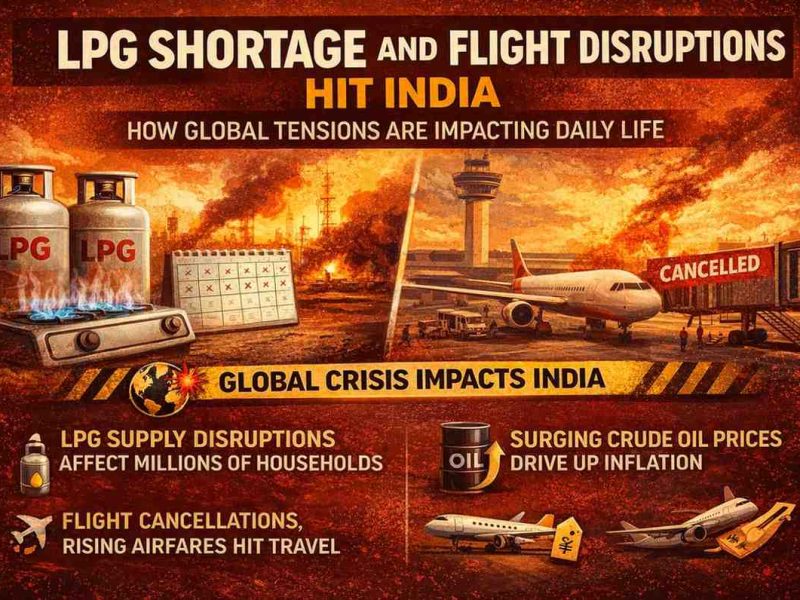
Fuel Price Today: Petrol and diesel prices across India remained largely unchanged on February 5, 2026, extending the trend of stability seen over the past several months. Oil marketing companies (OMCs) kept retail fuel rates steady despite fluctuations in global crude oil prices, offering continued relief to consumers grappling with inflationary pressures.
Fuel prices in India are revised daily based on international crude rates and foreign exchange movements, but since mid-2024, pump prices have seen minimal revisions. As a result, motorists in major cities such as Delhi, Mumbai, Chennai, and Kolkata are paying the same rates as previous days.
Petrol and Diesel Prices in Major Indian Cities Today
Here are the latest petrol and diesel rates in key metro cities on February 5, 2026:
| City | Petrol Price (₹/litre) | Diesel Price (₹/litre) |
| Delhi | ₹96.72 | ₹89.62 |
| Mumbai | ₹106.31 | ₹94.27 |
| Chennai | ₹102.63 | ₹94.24 |
| Kolkata | ₹106.03 | ₹92.76 |
| Bengaluru | ₹101.94 | ₹87.89 |
| Hyderabad | ₹109.66 | ₹97.82 |
Fuel Rates Remain Steady Despite Global Crude Volatility
Global crude oil prices have remained volatile due to geopolitical tensions, production decisions by OPEC+, and concerns over global economic growth. Brent crude has been trading in a fluctuating range, reacting to supply-side uncertainties and demand forecasts from major economies.
Despite these movements, domestic fuel prices have not mirrored global volatility. Industry experts attribute this to strategic pricing decisions by oil marketing companies and the government’s broader approach to managing inflation and shielding consumers from sharp price shocks.
How Fuel Prices Are Determined in India
Fuel price today in India is determined through a dynamic pricing mechanism introduced in June 2017. Under this system, petrol and diesel prices are revised daily based on:
- International crude oil prices
- Currency exchange rates, particularly the rupee-dollar equation
- Central and state taxes
- Refining and distribution costs
- Dealer commissions
Even with daily revision mechanisms in place, prices may remain unchanged for extended periods due to policy interventions or price stabilization strategies.
Central and State Taxes Continue to Drive Retail Prices
A significant portion of the fuel price paid by consumers goes toward taxes. Central excise duty and state-level value-added tax (VAT) together account for a large share of the final retail price of petrol and diesel.
Different VAT rates across states lead to price variations between cities. This is why fuel prices in Mumbai and Hyderabad remain higher than in Delhi, where VAT rates are comparatively lower.
Fuel Price Today: Impact on Household Budgets and Inflation
Stable fuel prices have played a key role in keeping retail inflation under control. Since fuel costs directly affect transportation, logistics, and essential commodities, any sharp increase often leads to a cascading impact on prices of food and consumer goods.
Economists note that steady petrol and diesel prices have provided some relief to households and businesses, especially small traders and transport operators who are highly sensitive to fuel costs.
CNG, LPG Prices Also Under Watch
While petrol and diesel prices have remained unchanged, consumers continue to monitor prices of alternative fuels such as CNG and LPG. LPG cylinder prices, particularly for domestic users, have seen periodic revisions, while CNG prices remain subject to changes in natural gas procurement costs.
Energy experts suggest that diversification toward alternative fuels and electric mobility is gradually reducing dependence on conventional fuels, though petrol and diesel remain dominant in India’s transport sector.
Outlook: Will Fuel Prices Change Soon?
Market analysts believe that fuel prices are likely to remain stable in the near term unless there is a sharp and sustained movement in global crude oil prices or a significant change in tax policy.
Upcoming global economic data, geopolitical developments, and OPEC+ production decisions will be closely watched. Any major spike in crude oil prices could eventually reflect at the retail level, though policy cushioning may delay immediate impact.
Fuel Price Today: What Consumers Should Know
Consumers are advised to regularly check fuel prices in their respective cities, as even minor changes can impact monthly budgets over time. Fuel prices are updated daily at 6 am by oil marketing companies such as IOC, BPCL, and HPCL.
With stability continuing for now, consumers and businesses alike are benefiting from predictable fuel costs.
Key Takeaway
Fuel price today on February 5, 2026, reflects continued stability across India, with petrol and diesel rates unchanged in major cities. While global crude oil prices remain volatile, domestic pricing has remained steady, offering relief to consumers and supporting broader economic stability.
Disclaimer: The information presented in this article is intended for general informational purposes only. While every effort is made to ensure accuracy, completeness, and timeliness, data such as prices, market figures, government notifications, weather updates, holiday announcements, and public advisories are subject to change and may vary based on location and official revisions. Readers are strongly encouraged to verify details from relevant official sources before making financial, investment, career, travel, or personal decisions. This publication does not provide financial, investment, legal, or professional advice and shall not be held liable for any losses, damages, or actions taken in reliance on the information provided.
Financial Disclaimer: Markets and investment-related products are subject to risks and fluctuations. Readers should conduct their own research and consider consulting a qualified financial advisor before making any investment decisions.
Last Updated on: Thursday, February 5, 2026 3:44 pm by Indian News Bulletin Team | Published by: Indian News Bulletin Team on Thursday, February 5, 2026 3:44 pm | News Categories: News
About The Author