Rising Prices and Fuel Concerns Trigger Political Escalation
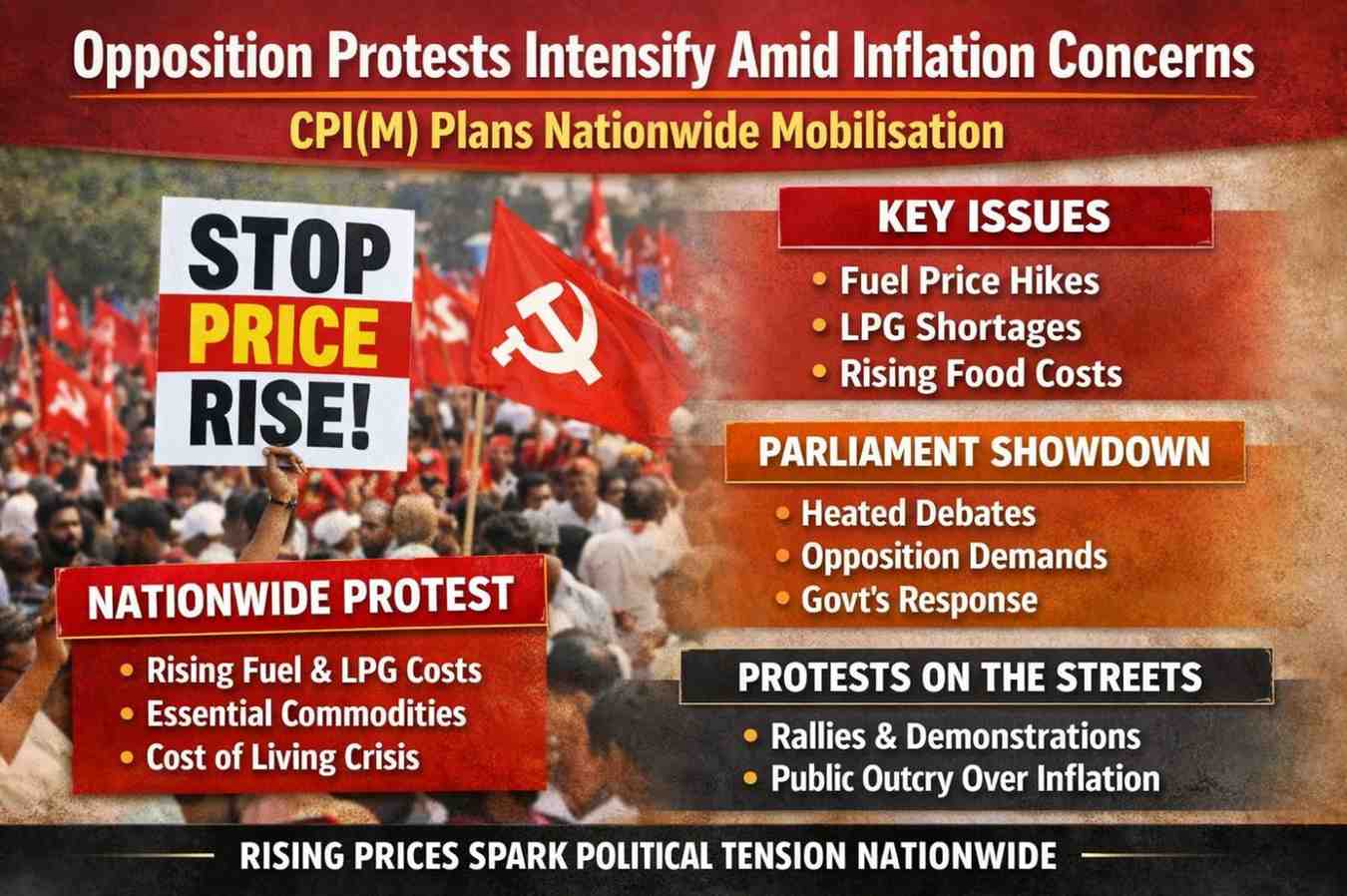
India is witnessing a renewed phase of political mobilisation as opposition parties sharpen their attack on the government over rising inflation and fuel-related concerns. The build-up to a nationwide protest, led by the Communist Party of India (Marxist), reflects growing political momentum around cost-of-living issues that are increasingly resonating with citizens.
At the centre of the debate are concerns over LPG availability, rising energy costs, and their cascading impact on household budgets. With Parliament sessions underway and street-level mobilisation gaining traction, inflation has once again become a dominant national issue.
CPI(M) Announces Nationwide Protest
Organised Push Against Price Rise
The Communist Party of India (Marxist) has announced plans to hold coordinated protests across multiple states, aiming to highlight what it describes as mounting economic pressure on ordinary citizens. The demonstrations are expected to focus on rising fuel costs, essential commodity prices, and employment concerns.
Party leaders have indicated that the protests will involve both urban and rural participation, signalling an attempt to broaden the scope of the movement beyond traditional political strongholds.
Wider Opposition Support Likely
While the mobilisation is being spearheaded by the CPI(M), other opposition parties are also expected to amplify the narrative around inflation and economic stress. This could lead to a broader coalition effort, both inside Parliament and on the streets.
Inflation and LPG Concerns at the Centre of Debate
Fuel Costs Driving Household Stress
Rising fuel prices, particularly LPG, have become a key point of contention. For many households, LPG is a primary cooking fuel, and any disruption in supply or increase in price has a direct impact on monthly expenses.
Opposition leaders have linked current fuel concerns to global supply disruptions and domestic policy decisions, arguing that the combined effect is increasing the cost burden on citizens.
Broader Inflationary Pressures
Beyond LPG, inflationary trends are being observed across essential goods and services:
- Transportation costs linked to fuel prices
- Food items affected by supply chain fluctuations
- Utility expenses rising alongside energy costs
These factors are contributing to a broader narrative of economic strain, which opposition parties are leveraging in their political messaging.
Parliament Sees Intensified Debate
Heated Exchanges Likely
With the issue gaining prominence, Parliament has become a key arena for political confrontation. Opposition members are expected to raise questions around:
- Government response to rising prices
- Measures to stabilise fuel supply
- Economic strategies to control inflation
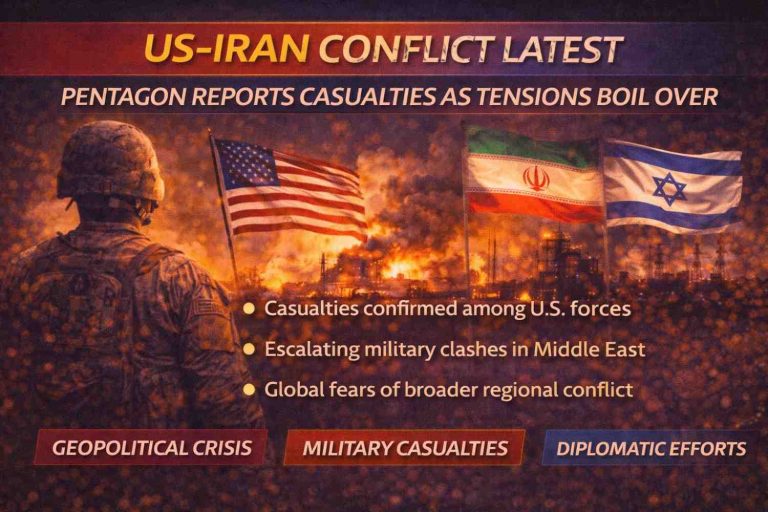
The ruling government, on the other hand, is likely to emphasise global factors influencing prices, including geopolitical tensions and energy market volatility.
Policy vs Politics
The debate is expected to reflect a mix of policy discussion and political positioning, with both sides attempting to shape public perception ahead of upcoming electoral cycles.
Street-Level Mobilisation Gains Momentum
Protests Beyond Parliament
While parliamentary debate is ongoing, the opposition’s strategy clearly extends to grassroots mobilisation. Demonstrations, rallies, and public campaigns are being organised to bring the issue directly to citizens.
Such efforts aim to:
- Increase public awareness of inflation-related challenges
- Build political pressure through visible dissent
- Strengthen voter engagement around economic issues
Public Sentiment and Engagement
Search trends and social media discussions indicate growing public interest in topics such as LPG prices, inflation rates, and cost-of-living concerns. This suggests that the issue is not only politically relevant but also widely felt at the ground level.
Economic Context Behind the Political Narrative
Global Factors Influencing Domestic Prices
India’s inflation dynamics are closely linked to global developments, particularly in energy markets. Recent geopolitical tensions have contributed to volatility in oil and gas prices, which in turn affect domestic fuel costs.
As a major importer of crude oil and LPG, India remains vulnerable to such external shocks, making inflation both an economic and political issue.
Government’s Balancing Act
Managing inflation requires a delicate balance between:
- Controlling prices
- Maintaining fiscal stability
- Ensuring supply chain continuity
Any policy decision—whether related to subsidies, taxation, or imports—has both economic and political implications.
What This Means for Citizens
Immediate Impact
For the public, the ongoing developments translate into:
- Increased focus on household expenses
- Greater awareness of fuel and commodity prices
- Potential disruptions due to protests in certain areas
Medium-Term Outlook
If inflationary pressures persist, citizens may continue to experience:
- Higher cost of living
- Budget adjustments for essential spending
- Increased sensitivity to economic policy decisions
Outlook: Political and Economic Developments Ahead
The coming weeks are likely to be crucial as both political mobilisation and economic developments unfold simultaneously. Key aspects to watch include:
- Scale and impact of nationwide protests
- Government measures to address inflation
- Trends in global energy prices
- Parliamentary outcomes and policy announcements
The intersection of economic stress and political response will shape the national discourse in the near term.
Conclusion
The intensifying protests led by the Communist Party of India (Marxist) mark a significant moment in India’s political landscape, where inflation and fuel concerns have once again taken centre stage.
As debates play out in Parliament and on the streets, the issue reflects a broader challenge—balancing economic realities with public expectations. For citizens, the developments underscore how closely global events, domestic policy, and political action are intertwined in shaping everyday life.
About the Author